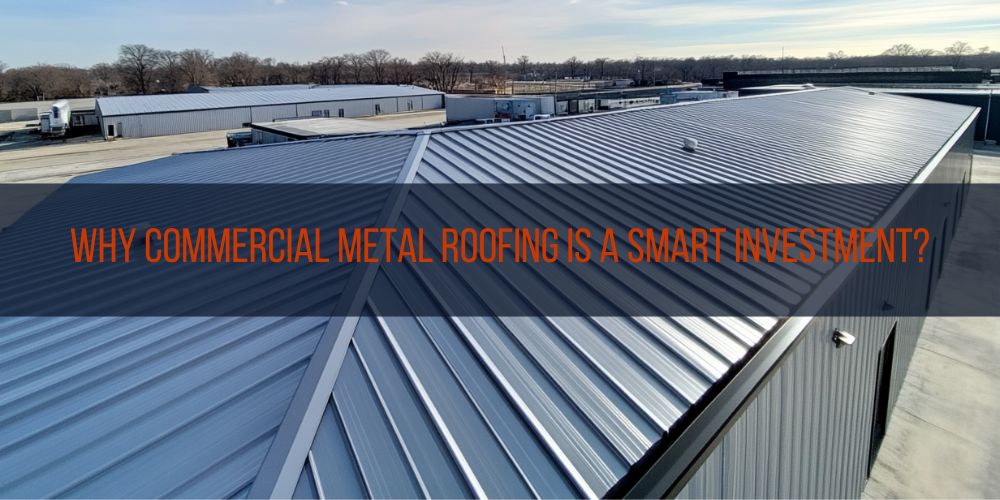
Metal roofing is a smart investment for commercial buildings in Chicago because it offers exceptional durability and energy efficiency, essential for withstanding the city’s varied climate and extreme weather conditions.
Chicago's heavy snowfall, strong winds, and frequent temperature fluctuations demand a roofing material that can resist corrosion, impact, and thermal expansion. Metal roofs excel in these areas by providing superior protection against leaks, reducing heating and cooling costs with their reflective surfaces, and ensuring a long-lasting infrastructure that can easily surpass several decades without major repairs.
For commercial property owners and facility managers in Chicago, investing in a metal roof ensures resilience and reliability against local environmental challenges, while contributing to operational savings and sustainability efforts. In this blog, we will dive deeper into the benefits and considerations of metal roofing, detailing why it stands out as a top choice for commercial buildings in Chicago’s demanding climate.
What Are the Key Benefits of Metal Roofing for Commercial Buildings in Chicago?
Metal roofing offers exceptional durability, energy efficiency, and weather resistance, making it ideal for Chicago's climate. Chicago's fluctuating weather conditions demand roofing solutions that are robust, reflective, and low-maintenance. As a result, metal roofs provide an excellent choice for long-term savings and resilience.
Here are the key benefits of choosing metal roofing for commercial buildings in Chicago:
- Durability: Capable of withstanding Chicago's harsh weather and temperature variations.
- Energy Efficiency: Reflective surfaces reduce energy bills and improve internal comfort.
- Low Maintenance: Requires minimal upkeep, saving time and maintenance costs.
- Fire Resistance: Offers superior protection against potential fire hazards.
- Environmentally Friendly: Made from recyclable materials with a reduced environmental footprint.
1. Durability: Capable of withstanding Chicago's harsh weather and temperature variations.
Durability refers to a material's long-term ability to endure and function despite environmental challenges. In Chicago, buildings face extreme weather, from hot summers to frigid winters, necessitating robust roofing solutions. Metal roofs are known for their exceptional durability, able to withstand heavy snow, strong winds, and fluctuating temperatures. This strength reduces the need for frequent repairs and replacements, offering long-term value and peace of mind to building owners.
2. Energy Efficiency: Reflective surfaces reduce energy bills and improve internal comfort.
Energy efficiency involves reducing energy consumption while maintaining desired environmental conditions. Metal roofs can be designed with reflective coatings that minimize heat absorption, which is crucial during Chicago's hot summer months. This reflectivity helps lower cooling costs by reducing the building’s energy load. Improved energy efficiency not only cuts utility expenses but also contributes to a more sustainable building operation.
3. Low Maintenance: Requires minimal upkeep, saving time and maintenance costs.
Low maintenance refers to the minimal effort and cost required to keep a material in optimal condition. Metal roofing materials are designed to resist mold, rot, and pests, common issues that necessitate frequent maintenance in roof systems. In the long run, this translates to reduced labor costs and fewer disruptions to business operations. The durability and resilience of metal roofs significantly decrease the need for repairs, contributing to lower maintenance expenses.
4. Fire Resistance: Offers superior protection against potential fire hazards.
Fire resistance indicates a material's ability to withstand fire or slow its spread. Metal roofs provide excellent protection against fire, a critical benefit in urban areas like Chicago where buildings are in close proximity. This resistance not only ensures safety but can also lead to reduced insurance premiums for commercial property owners. Choosing a fire-resistant roofing option is crucial to safeguarding life and property investment.
5. Environmentally Friendly: Made from recyclable materials with a reduced environmental footprint.
Environmentally friendly refers to products that have a negligible impact on the natural environment. Metal roofs are often made from recycled materials and are themselves fully recyclable at the end of their lifespan, lessening the environmental impact associated with traditional roofing materials. This sustainable attribute contributes to building projects that aim to meet environmental certifications like LEED. By opting for metal roofing, businesses support ecological conservation while enjoying the benefits of durable and efficient architecture.
Have a question about an upcoming project?
How Does Metal Roofing Compare to Other Common Roofing Materials in Terms of Cost and Durability?
Metal roofing is generally more durable but can cost more upfront than materials like asphalt shingles. While the initial investment is higher, the longevity and low maintenance of metal roofs often make them more economical over time. They also provide superior resistance to the elements compared to more traditional roofing materials.
Let's examine how metal roofing fares against other common materials by focusing on key factors such as cost and longevity:
- Longevity: Metal roofs last 40-70 years, vastly outlasting asphalt shingles.
- Cost Efficiency: Higher initial cost, but lower maintenance expenses over time.
- Durability: Metal withstands extreme weather better than most other materials.
- Energy Efficiency: Reflective capabilities can reduce cooling expenses significantly.
- Maintenance Needs: Metal requires significantly less maintenance than alternative materials.
1. Longevity: Metal roofs last 40-70 years, vastly outlasting asphalt shingles.
Longevity refers to the lifespan or duration a material can last without significant degradation. Metal roofing systems are renowned for their long lifespans compared to conventional options such as asphalt shingles, which typically last 15-20 years. In extreme climates, the durability of metal roofs ensures they remain effective throughout their extended service life. The longevity of metal roofs reduces the frequency and costs associated with replacement, making them a prudent choice for those looking for long-term savings and peace of mind.
2. Cost Efficiency: Higher initial cost, but lower maintenance expenses over time.
Cost efficiency evaluates the financial benefits gained from an investment when considering its performance and lifespan. Though the upfront cost of metal roofing is higher than that of materials like asphalt, the reduced maintenance needs and extended lifespan make it cost-effective in the long run. Savings on repairs and replacements can balance or even outweigh the initial investment over time. This aspect is particularly significant in areas where roof replacements are frequent due to climate conditions or environmental factors.
3. Durability: Metal withstands extreme weather better than most other materials.
Durability refers to a material's ability to withstand wear, pressure, or damage. Due to its inherent strength, metal roofing can endure harsh weather conditions such as high winds, heavy snow, and even impacts better than most traditional materials, including asphalt and wood. This makes it a reliable choice in regions prone to severe weather events. The superior durability of metal reduces repair costs and ensures a stable roofing system over decades.
4. Energy Efficiency: Reflective capabilities can reduce cooling expenses significantly.
Energy efficiency involves the ability of a material to minimize energy use while maximizing output. Metal roofs are highly reflective, enabling them to decrease heat absorption, which can lead to lower energy costs for cooling. This thermal efficiency is especially beneficial in warmer climates where cooling demands are high. By reducing energy use, metal roofs contribute to both cost savings and environmental sustainability.
5. Maintenance Needs: Metal requires significantly less maintenance than alternative materials.
Maintenance needs encompass the actions required to keep a material in good condition over its lifespan. Metal roofs demand less frequent maintenance compared to other materials like asphalt shingles, which may require regular inspections and repairs due to cracking or wear. Inadvertent costs involved in routine checks and upkeep are minimized as a result. This reduction in maintenance activities allows property owners to save both time and resources while maintaining a quality roofing system.
Why Is Metal Roofing Particularly Suited for Chicago's Climate and Environmental Conditions?
Metal roofing is highly effective against Chicago's diverse weather patterns, offering durability and energy efficiency. Chicago’s climate is characterized by cold winters, hot summers, and unpredictable weather, making metal roofs an ideal choice for stability and longevity. Additionally, metal roofing systems can support snow and ice loads while reflecting sunlight, aiding in energy efficiency.
Here are key reasons why metal roofing excels in Chicago's climate:
- Weather Resistance: Withstands Chicago's severe snowstorms, high winds, and occasional hail.
- Durability: Offers long-term protection against extreme temperatures and diverse weather conditions.
- Energy Efficiency: Reflects sunlight, reducing cooling costs in Chicago's hot summers.
- Low Maintenance: Minimal upkeep is needed, making it practical for Chicago homeowners.
- Recyclability: Environmentally friendly, supporting sustainability in urban areas like Chicago.
1. Weather Resistance: Withstands Chicago's severe snowstorms, high winds, and occasional hail.
Weather resistance refers to a roof's ability to endure various weather conditions without damage. In Chicago, where weather patterns can include heavy snow, strong winds, and hail, metal roofing provides a resilient solution. This resilience is essential for homeowners seeking to protect their property from costly weather-related damages. Metal roofs' interlocking panels offer extra protection, ensuring that the roof remains intact during harsh weather events commonly experienced in Chicago.
2. Durability: Offers long-term protection against extreme temperatures and diverse weather conditions.
Durability denotes the long-lasting nature of metal roofing materials, designed to withstand degradation. Given Chicago's range of weather conditions, from freezing winters to hot summers, a durable roofing solution is crucial. Metal roofs provide long-term performance, reducing the need for frequent repairs or replacements. This durability assures homeowners that their roofs will continue to provide excellent protection over many decades, even amidst Chicago's challenging climate conditions.
3. Energy Efficiency: Reflects sunlight, reducing cooling costs in Chicago's hot summers.
Energy efficiency involves reducing energy consumption by reflecting heat from the sun. During hot summers, Chicago homeowners benefit from metal roofing's reflective properties, which help maintain lower indoor temperatures. This results in reduced reliance on air conditioning, translating to lower energy bills and a smaller carbon footprint, aligning with environmental sustainability goals in urban areas.
4. Low Maintenance: Minimal upkeep is needed, making it practical for Chicago homeowners.
Low maintenance implies requiring little regular attention or repairs to remain effective. Metal roofs in Chicago benefit homeowners by minimizing maintenance efforts despite the city's varying weather conditions. With their natural resistance to common roofing issues such as moss and rot, metal roofs free homeowners from frequent maintenance tasks, allowing them to focus on other priorities.
5. Recyclability: Environmentally friendly, supporting sustainability in urban areas like Chicago.
Recyclability denotes the capacity of materials to be reprocessed and used again after their service life. This feature of metal roofs aligns with sustainable practices crucial for densely populated areas like Chicago. After their long lifespan, metal roofing materials can be recycled rather than discarded in landfills, promoting environmental stewardship and contributing positively to urban sustainability initiatives. Choosing metal roofing for your commercial building in Chicago is a decision that offers numerous benefits, from enhanced durability to energy efficiency, regardless of the challenging local weather conditions.
Thanks to its longevity, reduced maintenance needs, and eco-friendly attributes, metal roofing stands out as a superior option for businesses looking to make a long-term investment. For those exploring the best commercial metal roof Chicago has to offer, it's clear that metal roofs provide incredible value and protection over time. By investing in a metal roof, commercial building owners can enjoy decreased costs in repairs and maintenance while contributing positively to the environment.
If you're interested in discovering more about metal roof benefits for commercial buildings or need a consultation about a potential project, please reach out to us through our contact form. Our knowledgeable team at Commercial Roofing Chicago is eager to provide expert guidance and support tailored to your specific roofing needs.