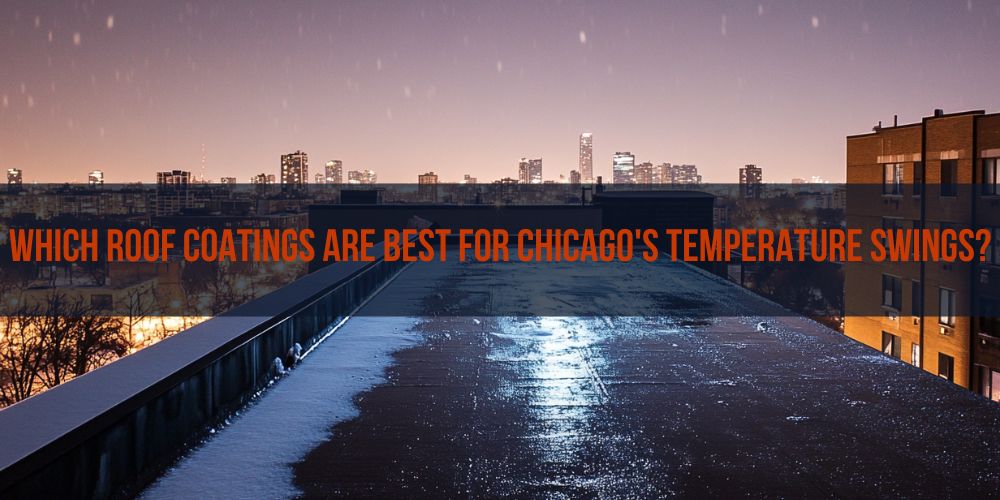
For commercial building owners and facility managers in Chicago, understanding which roof coating offers the best protection against the city’s extreme temperature swings is crucial to maintaining building integrity and energy efficiency. Silicone roof coatings are particularly effective in Chicago due to their exceptional resistance to both UV exposure and temperature fluctuations, providing a durable barrier against the city’s variable climate conditions. Chicago’s climate challenges roofs with freeze-thaw cycles in the winter and significant heat in the summer, making silicone’s flexibility and resilience ideal for adapting to these extreme conditions. Additionally, silicone coatings have excellent ponding water resistance, which is crucial for flat roofs often found in commercial buildings, preventing damage from standing water during Chicago’s rainy fall and spring seasons. For building managers and owners in Chicago, selecting the appropriate roof coating is essential not only for long-term durability but also for minimizing operational costs. In this blog, we will delve deeper into the characteristics of different roof coatings, analyze their performance in Chicago’s unique climate, and provide guidance for making informed decisions to protect your commercial property effectively.
Have a question about an upcoming project?
What Are the Unique Challenges of Commercial Roofing in Chicago’s Climate?
Commercial roofing in Chicago faces the unique challenge of enduring harsh weather including extreme cold, high winds, and heavy snow. These conditions can cause significant wear and tear, potentially leading to leaks and structural damage. Additionally, the freeze-thaw cycles in Chicago's climate can exacerbate these issues by causing materials to expand and contract repeatedly.
Commercial roofs in Chicago must address several critical factors to ensure longevity and performance. Here are the top challenges:
- Weather Resistance: Withstands Chicago's extreme temperatures, winds, and snowfall effectively.
- Thermal Expansion: Handles frequent freeze-thaw cycles common in Chicago winters.
- Drainage Design: Efficiently manages snow and heavy rain to prevent pooling.
- Material Durability: Utilizes robust materials suited for Chicago's varied climate.
- Energy Efficiency: Minimizes heating costs in Chicago's long, cold winter seasons.
1. Weather Resistance: Withstands Chicago's extreme temperatures, winds, and snowfall effectively.
Weather resistance refers to a roof's ability to withstand harsh climatic conditions without damage. In Chicago, roofs must combat severe cold, strong winds, and heavy snowfalls that are typical of the region. High-quality roofing materials with good weather resistance can prevent potential damage from ice and snow accumulation. Roofing systems in Chicago often include features that combat such extreme weather, ensuring ongoing structural integrity and preventing moisture ingress that can lead to other issues like mold growth and insulation degradation.
2. Thermal Expansion: Handles frequent freeze-thaw cycles common in Chicago winters.
Thermal expansion is the change in material size due to temperature fluctuations. Commercial roofs in Chicago need to endure frequent cycles of freezing and thawing, which can cause materials to expand and contract repeatedly. This constant movement can lead to cracking and material fatigue if not properly addressed. Roofs with flexible materials or those designed to accommodate movement are essential to prevent damage and maintain roof longevity in Chicago's ever-changing temperatures.
3. Drainage Design: Efficiently manages snow and heavy rain to prevent pooling.
Drainage design involves creating systems that control water flow and prevent pooling on roofs. In a city like Chicago, where roofs must handle significant snowfall and heavy rain, effective drainage is crucial to prevent water damage and structural issues. Improper drainage can lead to ponding, which puts additional stress on the roof and increases the risk of leaks. Proper slope design, along with gutter systems and drains, helps efficiently manage water runoff, extending the life of the roofing system.
4. Material Durability: Utilizes robust materials suited for Chicago's varied climate.
Material durability refers to the ability of roofing materials to withstand wear and tear over time. Given Chicago's harsh climate, using durable materials is critical for preventing early roof failure. Materials need to withstand not just temperature extremes but also physical impacts from ice and snow loads. Selecting materials designed for durability, such as reinforced membranes or metal, can enhance a roof’s lifespan and reduce the need for frequent repairs.
5. Energy Efficiency: Minimizes heating costs in Chicago's long, cold winter seasons.
Energy efficiency is the ability of a roof to help regulate interior temperatures, reducing energy use. In Chicago, energy-efficient roofs are essential for keeping heating costs down during long winters. Roofs that incorporate proper insulation and reflective materials can significantly reduce heat loss. This not only helps in maintaining comfortable indoor temperatures but also cuts down on energy expenses, a critical factor for commercial building owners looking to minimize operational costs.
Why Is Roof Coating Important for Protection Against Temperature Extremes?
Roof coating is crucial for protecting buildings from temperature extremes by providing a reflective barrier that reduces heat absorption and improves energy efficiency. Applying a roof coating can extend the roof's lifespan by minimizing thermal expansion and contraction, which can lead to material degradation. It also helps maintain a more consistent indoor temperature, reducing the strain on HVAC systems and contributing to energy savings.
Here are five reasons why roof coatings are important for protection against temperature extremes:
- Temperature Regulation: Roof coatings reduce heat absorption and stabilize indoor temperatures.
- Thermal Expansion Reduction: Minimizes the natural expansion and contraction of roofing materials.
- Energy Efficiency: Reflects sunlight and reduces cooling costs during hot weather.
- Extended Roof Lifespan: Protects the roof from extreme weather-related wear and tear.
- Moisture Barrier: Prevents water infiltration and reduces thermal shock damage.
1. Temperature Regulation: Roof coatings reduce heat absorption and stabilize indoor temperatures.
Temperature regulation is the roof coating's ability to maintain consistent indoor temperatures. This regulation is crucial in protecting against temperature extremes by reflecting solar heat away from the building. By reducing the amount of heat absorbed, it limits the heat transferred into the building, lowering the demand on cooling systems. This not only ensures comfort but also aids in energy management and cost efficiency during peak temperature periods.
2. Thermal Expansion Reduction: Minimizes the natural expansion and contraction of roofing materials.
Thermal expansion reduction refers to limiting the movement of roofing materials caused by temperature fluctuations. Roof coatings help reduce this expansion and contraction, preventing potential damage such as cracking and splitting. This protection against temperature-induced stress ensures that the roof remains intact and functional over time, particularly in regions with significant temperature variations.
3. Energy Efficiency: Reflects sunlight and reduces cooling costs during hot weather.
Energy efficiency in the context of roof coatings is the process of reflecting sunlight to lower building temperature naturally. Reflective roof coatings significantly reduce cooling needs by decreasing heat absorption across the roof's surface. This leads to reduced air conditioning use, saving energy and lowering electricity bills, especially during hot seasons when energy demand peaks.
4. Extended Roof Lifespan: Protects the roof from extreme weather-related wear and tear.
An extended roof lifespan means that the roof remains in good condition longer due to protective measures. The application of roof coatings provides a shield against the deterioration caused by harsh temperatures and UV radiation. This proactive approach in maintaining roof integrity avoids premature replacements, significantly reducing maintenance and ownership costs over the long term.
5. Moisture Barrier: Prevents water infiltration and reduces thermal shock damage.
A moisture barrier is a protective layer that prevents water and moisture from penetrating the roof. Roof coatings provide this barrier, minimizing the risk of water damage and subsequent thermal shock. By preventing moisture infiltration, these coatings protect the roof's structural integrity during temperature extremes, thus preventing further complications that can arise from reactive expansion and contraction due to moisture presence.
Which Roof Coating Materials Are Most Effective for Chicago’s Temperature Swings?
The most effective roof coating materials for Chicago's temperature swings are elastomeric coatings and silicone coatings due to their flexibility and weather resistance. Elastomeric coatings expand and contract with temperature changes, while silicone coatings provide excellent UV protection and waterproofing. In Chicago’s climate, where temperatures can range from extreme cold to hot, a reliable roof coating is crucial for maintaining roof integrity.
When selecting roof coating materials for Chicago's varied climate, consider these key features:
- Flexibility: Adapts to temperature fluctuations in Chicago's climate.
- UV Resistance: Protects roofs from extensive sun exposure and damage.
- Waterproofing: Shields against heavy rain and snow.
- Durability: Endures extreme weather conditions year-round.
- Reflectivity: Contributes to reduced energy consumption and cooling costs.
1. Flexibility: Adapts to temperature fluctuations in Chicago's climate.
Flexibility refers to the coating’s ability to expand and contract with temperature changes. In a city like Chicago, where winter temperatures often plummet and summers can be extremely warm, a roof coating that can handle these expansions and contractions is essential to prevent cracks and leaks. Elastomeric coatings are known for their high flexibility, which helps maintain the integrity of the roofing material despite significant temperature swings.
2. UV Resistance: Protects roofs from extensive sun exposure and damage.
UV resistance is the ability of the coating to resist damage from ultraviolet rays. Solar radiation can degrade roofing materials over time; hence, having a coating material that offers strong UV protection can extend the roof’s lifespan. Silicone coatings are particularly effective in offering long-term UV protection, reducing degradation caused by sunlight and maintaining roof performance even during bright summer months.
3. Waterproofing: Shields against heavy rain and snow.
Waterproofing refers to the roof's ability to prevent water infiltration. Given Chicago's significant precipitation levels, including heavy rainfall and snow, waterproof coatings are necessary to avoid water-related damages. These coatings form a seamless barrier that prevents penetration, ensuring that the underlying roofing material remains unaffected by moisture-related issues.
4. Durability: Endures extreme weather conditions year-round.
Durability is the coating's capability to withstand the wear and tear from diverse weather conditions. With Chicago experiencing everything from blizzards to heat waves, choosing a durable roofing material is critical to ensuring longevity and minimizing repairs. Roof coatings like polyurea are known for their high resilience, providing long-lasting protection against Chicago's challenging weather patterns.
5. Reflectivity: Contributes to reduced energy consumption and cooling costs.
Reflectivity is the capacity of the coating to reflect sunlight away from the roof surface. This characteristic helps lower roof temperatures, which can translate into reduced cooling costs during hot Chicago summers. High reflective coatings contribute to energy efficiency by minimizing heat absorption and subsequently decreasing the energy required for air conditioning, leading to cost savings and increased comfort in buildings.
When it comes to protecting your commercial building from Chicago's extreme temperature swings, choosing the right roof coating is crucial. From the comparative benefits of acrylic vs silicone roof coating Chicago options, it's clear that both have their unique advantages. Acrylic coatings offer excellent UV protection and are cost-effective, while silicone coatings provide superior water resistance and durability. Determining the best roof coating for commercial buildings depends on your specific needs, including climate resilience, energy efficiency, and budget considerations. By opting for a coating that aligns with your building's demands, you can ensure prolonged performance and optimal protection against the city's variable weather. At Commercial Roofing Chicago, we're dedicated to helping you make the best choice for your roofing needs, ensuring that your building remains secure and efficient year-round.
If you're ready to explore more about acrylic roof coating, silicone roof coating, or need advice tailored to your commercial roofing needs, get in touch with our team through our contact form. Our experts are eager to assist you in selecting the coating that guarantees the best protection for your building.