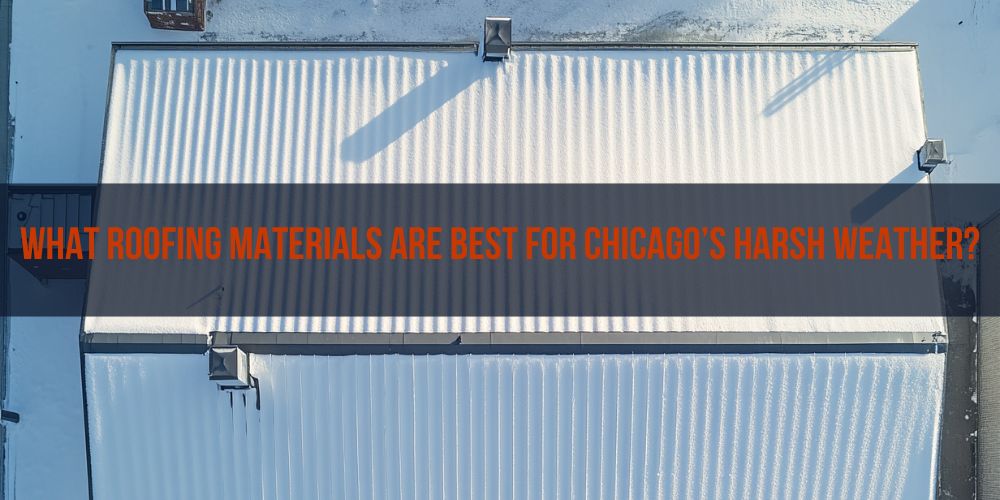
In Chicago, IL, metal roofing materials, particularly standing seam metal roofs, are known for their durability and ability to withstand harsh weather conditions, including heavy snow, strong winds, and temperature fluctuations. Due to the city's notorious wind and winter weather, metal roofs offer excellent resistance to wind uplift and snow accumulation while providing longevity and low maintenance. Additionally, the reflective properties of metal roofing contribute to energy efficiency by reducing heat absorption during Chicago’s summer months. For commercial property owners and facility managers in Chicago, choosing the right roofing material is crucial for ensuring long-term structural integrity and minimizing weather-related damage. In this blog, we’ll delve into the advantages of metal roofing and other optimal materials for addressing the challenges presented by Chicago’s extreme weather, offering expert advice to protect your commercial investments effectively.
What Are the Unique Weather Challenges for Commercial Roofs in Chicago?
Chicago's weather poses significant challenges for commercial roofs with its harsh winters and fluctuating temperatures. The mix of heavy snowfall, frequent freeze-thaw cycles, and high winds can lead to various roofing issues. Assessing and selecting the appropriate roofing materials and designs can mitigate damage and prolong roof life. Here are five key weather-related challenges that commercial roofs in Chicago face, ordered by importance:
- Snow Load: Chicago's heavy snowfall can accumulate quickly and cause structural stress.
- Freeze-Thaw Cycles: Regular cycles can lead to cracking and deterioration of roofing materials.
- Wind Resistance: High winds are common and can damage roofing membranes or materials.
- Temperature Fluctuations: Extreme swings between hot and cold can wear down roofing materials.
- Rain and Ice Dams: Rain and ice accumulation can lead to leaks and water damage.
1. Snow Load: Chicago's heavy snowfall can accumulate quickly and cause structural stress.
Snow load refers to the weight of accumulated snow on a structure, impacting its integrity. In Chicago, snow load is a crucial concern due to frequent and heavy snowfall during winter months. Commercial roofs must be designed to withstand heavy snow loads to prevent structural failure or damage. Snow accumulation can lead to additional stress on roofing materials and structural components, making regular maintenance and proper drainage designs essential. Ensuring that roofs are built to manage snow effectively is vital for maintaining the building's safety and longevity.
2. Freeze-Thaw Cycles: Regular cycles can lead to cracking and deterioration of roofing materials.
Freeze-thaw cycles occur when temperatures fluctuate above and below freezing, causing expansion and contraction. In Chicago, these cycles happen frequently, putting extra strain on roofing materials such as asphalt or membrane systems. Consistent thawing and freezing can create cracks and weaken the roof's protective layers. Addressing these conditions involves using flexible materials and implementing advanced sealing techniques to protect against water infiltration and ice damage. Routine inspections and maintenance can also help identify and mitigate potential problems caused by freeze-thaw cycles.
3. Wind Resistance: High winds are common and can damage roofing membranes or materials.
Wind resistance is the ability of a roof to withstand damage or displacement from strong winds. Chicago experiences strong wind events, particularly along Lake Michigan, necessitating roofs that can effectively resist uplift and membrane tearing. Selecting materials with high wind resistance and secure installation methods is crucial. Enhanced fastening systems and impact-resistant materials can provide the extra strength needed to protect commercial roofs from wind-related damage. Regular inspections help ensure that damage is identified and corrected before it compromises the roof's integrity.
4. Temperature Fluctuations: Extreme swings between hot and cold can wear down roofing materials.
Temperature fluctuations involve significant changes in temperature, impacting material stability and durability. In Chicago, these fluctuations are especially evident during seasonal transitions, stressing the roofing materials through expansion and contraction. Choosing materials that can adapt to temperature changes without losing structural integrity is critical. Using materials with high thermal flexibility and including insulation layers can mitigate the effects of temperature changes. Proper ventilation systems also help balance internal and external temperatures, minimizing additional stress on the roofing components.
5. Rain and Ice Dams: Rain and ice accumulation can lead to leaks and water damage.
Rain, combined with ice dams, can cause serious water penetration and structural issues. Chicago's climate encourages ice formation along roof edges, creating dams that prevent proper drainage and lead to leaks. Designing roofs with effective water drainage systems minimizes these risks. Utilizing roofs with proper slope and gutter systems helps direct water away efficiently. Heating cables and adequate attic insulation can also reduce ice dam formation, preventing water accumulation and resultant damage.
Have a question about an upcoming project?
Which Commercial Roofing Materials Offer the Best Durability in Severe Wind and Snow?
For commercial buildings facing Chicago’s harsh winters and strong winds, selecting a roofing material that can withstand heavy snow loads, ice accumulation, and high wind speeds is crucial. Metal roofing, modified bitumen, and reinforced single-ply membranes are among the best options for durability in extreme weather. The right roofing system minimizes structural damage, prevents leaks, and reduces long-term maintenance costs.
- Metal Roofing: Engineered for Extreme Weather
- Modified Bitumen Roofing: Designed for Cold and Windy Climates
- TPO and PVC Single-Ply Membranes: High Wind and Snow Resistance
1. Metal Roofing: Engineered for Extreme Weather
Metal roofing is one of the most wind-resistant commercial roofing materials, capable of withstanding gusts of up to 140 mph when properly installed. Its interlocking panels prevent wind uplift, while its smooth surface allows snow and ice to slide off naturally, reducing the risk of excess weight accumulation. Metal roofing systems, especially standing seam metal roofs, provide excellent durability with minimal maintenance and can last 50 years or more.
2. Modified Bitumen Roofing: Designed for Cold and Windy Climates
Modified bitumen roofing is an ideal choice for commercial buildings in cold, windy regions like Chicago. This multi-layered system is highly flexible, allowing it to expand and contract with temperature fluctuations without cracking. Additionally, its self-adhering or torch-applied installation methods create strong, sealed seams, making it resistant to wind uplift and water infiltration from melting snow.
3. TPO and PVC Single-Ply Membranes: High Wind and Snow Resistance
Both TPO (Thermoplastic Olefin) and PVC (Polyvinyl Chloride) membranes are excellent choices for commercial flat roofs in high-wind and heavy-snow environments. These single-ply roofing systems are; heat-welded at the seams which forms a waterproof, wind-resistant barrier. They are also highly reflective which reduces energy costs in both winter and summer. The single ply systems are also resistant to cracking and shrinkage, preventing damage from freeze-thaw cycles. TPO membranes, in particular, have been tested to withstand hurricane-force winds when mechanically fastened or adhered with precision.
4. Built-Up Roofing (BUR): Heavy-Duty Protection for Snow Loads
A Built-Up Roofing (BUR) system is one of the most durable commercial roofing options for extreme weather. Made up of multiple layers of bitumen and reinforcing fabrics, BUR creates a thick, weather-resistant barrier. The additional weight of this system helps prevent wind uplift, while its multi-layered design provides superior insulation and waterproofing—essential for preventing leaks caused by melting snow and ice dams.
How To Choose the Best Roofing System for Wind and Snow?
For commercial buildings in Chicago or other regions prone to severe weather, the best roofing material will depend on structural capacity, energy efficiency needs, and maintenance preferences. Metal roofing offers superior longevity and wind resistance, while modified bitumen and BUR provide heavy-duty waterproofing for extreme snow conditions. Single-ply membranes like TPO and PVC balance cost-efficiency, flexibility, and resilience against wind uplift and freeze-thaw cycles.
Investing in a commercial roofing system designed for extreme weather ensures long-term building protection, energy savings, and reduced repair costs, making it a vital decision for any business owner in windy and snowy climates like Chicago.
How Do Modern Roofing Technologies Improve Weather Resistance?
Modern roofing technologies enhance weather resistance by utilizing advanced materials and design techniques. These technologies increase durability, improve energy efficiency, and provide better protection against extreme weather events. As a result, roofs are more resilient to harsh conditions, minimizing maintenance and increasing longevity.
Here are some key ways modern roofing technologies improve weather resistance:
- Advanced Materials: Employs high-performance materials engineered for superior weather resistance.
- Enhanced Insulation: Provides better insulation, reducing impact of temperature fluctuations.
- Reflective Coatings: Utilizes coatings to reflect UV rays and reduce heat accumulation.
- Innovative Designs: Incorporates design features that enhance drainage and protection from wind.
- Seamless Installation: Utilizes techniques that minimize vulnerabilities and enhance overall durability.
1. Advanced Materials: Employs high-performance materials engineered for superior weather resistance.
Advanced materials are specifically manufactured to provide excellent resistance to different weather elements. They prevent moisture penetration, resist wind uplift, and endure prolonged exposure to UV radiation. These materials are not only strong but also flexible, adapting to environmental changes without compromising structural integrity. By integrating these high-performance materials, modern roofing solutions offer a robust defense against intense weather conditions, significantly reducing repair costs and prolonging roof life.
2. Enhanced Insulation: Provides better insulation, reducing impact of temperature fluctuations.
Enhanced insulation involves the use of materials that effectively reduce thermal transfer. This reduces the impact of external temperatures, keeping interiors comfortable regardless of weather conditions. In methods such as adding more layers or using advanced insulating materials, enhanced insulation is a cornerstone of modern roofing technology. This innovation not only contributes to lower energy consumption but also reduces strain on HVAC systems, promoting a more sustainable building environment.
3. Reflective Coatings: Utilizes coatings to reflect UV rays and reduce heat accumulation.
Reflective coatings are specially designed to bounce back sunlight, particularly UV rays. The application of these coatings can significantly lessen heat build-up, especially in hotter climates. Reflective coatings play a crucial role in modern roofing by mitigating the heat island effect, lowering cooling costs, and extending the life of the roofing materials. The reduction in absorbed heat also reduces internal temperatures, contributing to energy efficiency and comfort indoors.
4. Innovative Designs: Incorporates design features that enhance drainage and protection from wind.
Innovative designs focus on improving the structural layout of roofs for better performance. This often includes features such as increased pitch, seamless slopes, and effective gutter systems to direct water away efficiently. By focusing on these designs, modern roofing enhances the overall weather resistance by minimizing water pooling and reducing potential wind damage. These design innovations ensure that roofs maintain integrity over their entire lifespan while providing maximum protection.
5. Seamless Installation: Utilizes techniques that minimize vulnerabilities and enhance overall durability.
Seamless installation refers to roofing methods that reduce seams and joints, common failure points. These techniques ensure that the roofing system is more resistant to leaks and weather intrusion. Modern installation techniques, such as single-ply membranes, reduce potential weak spots, offering superior durability against weather conditions. By minimizing joints and creating a cohesive surface, these technologies significantly improve a roof's resilience and lifespan.
In conclusion, selecting the right roofing materials for extreme weather is crucial for businesses in Chicago to ensure longevity and durability. The best storm-resistant commercial roofs can withstand the city's harshest weather conditions, providing reliable protection against heavy snowfall, strong winds, and temperature fluctuations. By investing in high-quality, resilient roofing solutions, you can significantly minimize repair costs and extend the life of your roof, safeguarding your commercial property and contributing to energy efficiency. Understanding the various materials available and their specific benefits will help you make an informed decision tailored to your building's needs.
If you are considering a commercial roof replacement or need expert storm damage commercial roof repair, please reach out to us through our contact form. Our knowledgeable team at Commercial Roofing Chicago is ready to guide you in choosing the perfect roofing solution to weather Chicago's toughest climate challenges.