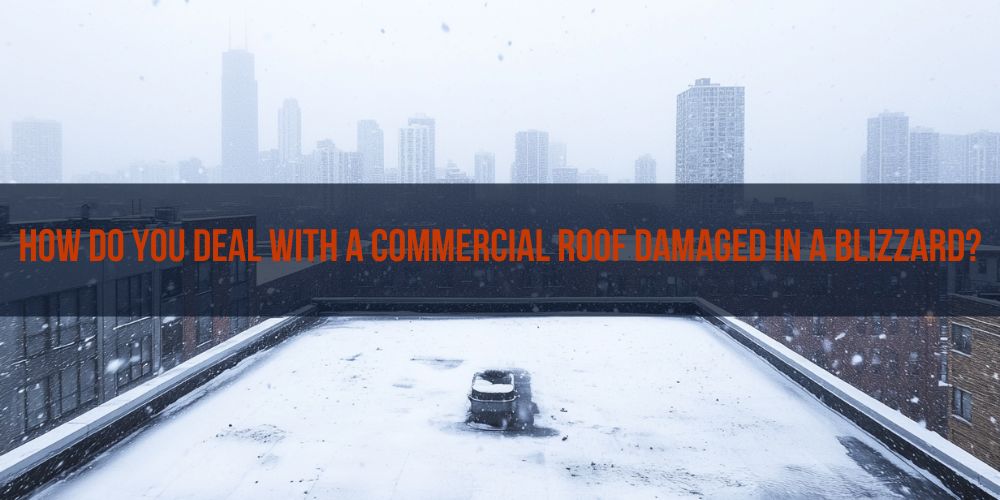
If your commercial roof is damaged in a Chicago blizzard, it's crucial to contact a local roofing contractor immediately for a professional assessment and emergency repairs to prevent further damage from the cold and wet conditions. Chicago's harsh blizzards can exacerbate existing roof vulnerabilities, leading to leaks, insulation damage, and structural issues if not addressed quickly. Prompt professional intervention helps mitigate these risks and ensures the safety and integrity of your commercial property against further winter woes. Heavy snowfall, high winds, and ice accumulation typical of Chicago's winter climate can severely impact the integrity of commercial roofing systems, especially flat roofs common in many buildings. Additionally, the freeze-thaw cycles can exacerbate cracks and weaknesses, worsening damages and leading to increased energy loss due to compromised insulation. For Chicago business owners and facility managers, addressing roofing damage from blizzards promptly can save on extensive repairs and operational downtime. In this blog, we will delve into the steps for handling commercial roof damage, the importance of timely repairs, and strategies to enhance roof resilience against Chicago's severe winter weather.
How Can You Assess the Extent of Damage to Your Commercial Roof?
Perform a thorough inspection, identify visible damage, and consult with a roofing professional. Regular assessment ensures that minor issues don't escalate into costly repairs, which is crucial for maintaining the integrity and longevity of your commercial building's roof.
Here are five key steps to effectively assess the damage to your commercial roof:
- Visual Inspection: Look for visible signs of damage, such as cracks and leaks.
- Interior Check: Examine ceilings for water stains or structural deformities.
- Professional Assessment: Consult roofing experts for a detailed evaluation.
- Document Conditions: Take photographs and notes for insurance and repair purposes.
- Maintenance Records: Review past records for recurring issues and repair history.
1. Visual Inspection: Look for visible signs of damage, such as cracks and leaks.
A visual inspection involves observing the roof for any obvious signs of damage. To assess roof damage, start by walking around the perimeter of your building and scanning the roofline for visible damage like cracks and missing materials. This simple, initial step can help identify potential problem areas that may need more attention. Regular visual inspections can detect early-stage problems before they compromise the roof's overall integrity. In addition to observing physical damage, look for signs of pooling water or clogged gutters, which can contribute to further damage. Catching these signs early through a visual inspection can prevent more severe issues down the line, saving time and money.
2. Interior Check: Examine ceilings for water stains or structural deformities.
An interior examination involves checking inside the building for indications of roof damage. Water stains on ceilings or walls can point to leaks in the roof that require immediate attention. Beyond water stains, sagging ceilings or warped structures can indicate long-term water damage, highlighting areas that should be prioritized for further inspection or repair. These signs serve as a warning that the roof's protective ability may be compromised. Focus on areas directly below any known roof damage or previously repaired sections, as these spots are more vulnerable to issues. Monitoring interior signs of roof damage can provide a comprehensive picture of your roof's current state and inform necessary corrective actions.
3. Professional Assessment: Consult roofing experts for a detailed evaluation.
A professional assessment involves hiring experts to conduct a thorough and accurate roof evaluation. While visual inspections and interior checks are useful, they should be complemented with professional assessments for a complete understanding of roof damage. Roofing experts have the tools and experience to identify issues that might not be visible to the untrained eye, providing a more precise evaluation. Professional inspections ensure that nothing is overlooked, enabling you to make informed repair decisions. Engaging professionals is particularly important after severe weather events or if you suspect hidden damage. Their evaluations often include detailed reports that can be indispensable for insurance claims or budgeting for necessary repairs or replacements.
4. Document Conditions: Take photographs and notes for insurance and repair purposes.
Documenting involves systematically recording the current state of the roof through photographs and detailed notes. Accurate documentation of roof conditions serves multiple purposes, such as aiding insurance claims, guiding repair efforts, and providing a history of roof changes over time. When assessing damage, take clear, comprehensive photographs and document details such as the location and nature of each issue. This documentation is crucial when communicating with insurance companies or contractors, ensuring that nothing is left to memory. Photographic records also help in tracking the progression of any roof weaknesses and verifying the effectiveness of previous repairs. Thorough documentation forms the basis of a proactive roof maintenance strategy.
5. Maintenance Records: Review past records for recurring issues and repair history.
Maintenance records review involves analyzing historical data to understand recurring roof issues and past repairs. Examining past maintenance records provides insights into the long-term health of your commercial roof, helping you spot patterns such as recurrent leaks or specific areas that frequently require attention. This historical perspective can indicate systemic problems that need comprehensive solutions rather than temporary fixes. Understanding the repair history is essential for preventing previous issues from reoccurring. Additionally, maintenance records can guide future upkeep and budgeting efforts, ensuring that resources are allocated efficiently. A well-documented maintenance history aids in strategic planning for roof longevity and cost management.
Have a question about an upcoming project?
What Immediate Steps Should You Take to Mitigate Further Damage?
First, ensure immediate safety, then temporarily cover the damaged area and assess the extent. Prompt action prevents worsening damage and can save on costly repairs. Having a plan for temporary fixes helps keep the problem manageable until professional help arrives.
The following list outlines crucial steps to mitigate further damage in a commercial roofing scenario:
- Ensure Safety: Evacuate personnel from areas under or near damage risk.
- Temporary Protection: Use tarps or plastic sheeting to cover damaged areas immediately.
- Assess Damage: Conduct a visual inspection to note visible issues.
- Document Damage: Take photos and write notes for insurance or repair references.
- Coordinate Repairs: Contact professionals promptly to schedule repairs and assess costs.
1. Ensure Safety: Evacuate personnel from areas under or near damage risk.
Ensuring safety involves moving people away from potentially hazardous areas to prevent injuries. When you identify damage, the first priority is to protect anyone in the vicinity. Immediate evacuation minimizes the risk of harm from falling debris or structural failure. By removing individuals from the danger zone, you're making sure that the damage doesn't lead to more serious injuries. This crucial step sets the stage for a controlled and efficient response to the issue.
2. Temporary Protection: Use tarps or plastic sheeting to cover damaged areas immediately.
Temporary protection involves utilizing materials to shield the damaged parts of the roof. Promptly covering the exposed areas with materials like tarps can prevent water ingress and further structural compromise. This temporary measure helps maintain the building's interior condition until repairs can be completed. While not a permanent solution, temporary protection buys time to organize appropriate repairs and mitigates further damage which might increase repair costs.
3. Assess Damage: Conduct a visual inspection to note visible issues.
Assessing damage involves inspecting the roof to identify and record the nature and extent of issues. Conducting a thorough visual inspection helps in understanding the scope of the damage and prioritizing the repairs required. This step ensures you have a clear understanding of the problem. Gathering this information early can improve communication with repair professionals and expedite the overall repair process, as they’ll know what to expect and what resources to bring.
4. Document Damage: Take photos and write notes for insurance or repair references.
Documentation involves capturing images and notes detailing the damage sustained. Taking photos and notes of the damage provides evidence for insurance claims and helps communicate the repair needs accurately with contractors. This form of record-keeping is essential to ensure there is no dispute during the repair and claim processes. Comprehensive documentation can lead to quicker processing of claims and informed decision-making during the repair evaluation phase.
5. Coordinate Repairs: Contact professionals promptly to schedule repairs and assess costs.
Coordinating repairs involves reaching out to qualified roofing professionals to handle the repair work. By arranging for professional evaluation and repair services quickly, you minimize the extent of potential secondary damage and expedite restoration. Getting professionals involved early ensures that the repair quality meets industry standards and lasts longer. Timely scheduling of repairs also helps in managing costs, as professionals can provide estimates and prioritize urgent tasks effectively, ensuring the integrity and safety of the roofing structure are restored.
How Do You Choose the Right Professional for Roof Repair and Maintenance?
The right roofing professional is essential to ensuring the longevity and performance of your roof. Selecting an experienced and reputable contractor can prevent costly future repairs and maintain your roof's warranty. Here are key factors to consider when choosing a roofing professional.
The following list outlines the critical elements to consider when selecting a roofing contractor, ranked by importance.
- Licensing and Insurance: Verify that the contractor is properly licensed and insured.
- Experience and Expertise: Assess the contractor's experience and specialization in roofing tasks.
- Reputation and References: Review testimonials and ask for references from past clients.
- Warranty and Contract Details: Understand the warranty offered and carefully review the contract terms.
- Pricing and Transparency: Ensure pricing is competitive and the contractor provides detailed estimates.
1. Licensing and Insurance: Verify that the contractor is properly licensed and insured.
Licensing and insurance are proof of a contractor's legitimacy and reliability. They protect you from fraud and ensure compliance with local regulations. Always request proof of a contractor's license and insurance before hiring, as this mitigates potential liability issues should accidents occur during the project.
2. Experience and Expertise: Assess the contractor's experience and specialization in roofing tasks.
A contractor's experience and expertise indicate their capability to handle complex roofing projects. Seek contractors with specific experience related to your roof type and materials. This ensures they have the necessary skills and knowledge to perform repairs or maintenance effectively, leading to better results.
3. Reputation and References: Review testimonials and ask for references from past clients.
A contractor's reputation is built on the satisfaction of previous clients. Reading reviews and seeking references can provide insight into their work quality and reliability. Positive feedback and strong recommendations from former clients highlight the professionalism and efficiency of the contractor.
4. Warranty and Contract Details: Understand the warranty offered and carefully review the contract terms.
Warranties and contract terms are crucial for protecting your investment in roofing projects. They outline the scope of work and guarantee support if issues arise post-completion. Thoroughly reviewing these documents ensures clarity on services provided and any limitations, securing lasting peace of mind.
5. Pricing and Transparency: Ensure pricing is competitive and the contractor provides detailed estimates.
Competitive pricing and transparency in estimates are signs of a trustworthy contractor. Legitimate contractors offer detailed quotes, enabling you to compare offers effectively. Understanding all costs upfront avoids hidden fees and ensures budget alignment, fostering a mutually beneficial contractor-client relationship.
Dealing with commercial roof storm damage resulting from a Chicago blizzard can seem daunting, but proactive measures and timely repairs are crucial in safeguarding your investment. By understanding the potential risks and implementing preventative strategies, you can significantly reduce the impact of severe weather on your building's roof. Regular inspections, timely snow removal, and addressing minor issues before they escalate into costly problems are all essential steps. Trusting professionals for blizzard roofing damage repair ensures that your roof remains robust and secure, even in the harshest conditions. Our team at Commercial Roofing Chicago is dedicated to providing comprehensive and reliable solutions to protect your commercial property against winter storms.
If you need expert guidance or wish to explore more about how to manage and repair storm damage to your commercial roof, please use our contact form to get in touch. Our knowledgeable team is ready to assist you with tailored solutions to ensure your commercial roof remains in optimal condition all year round.